
Electric vehicles are becoming a familiar sight across Melbourne streets, driveways and apartment buildings. For many homeowners, the next step after choosing an EV is installing a charger at home. What often comes as a surprise is that not every home electrical system is ready to support one straight away.
We regularly speak with homeowners who assume installing a charger is much like adding another appliance. In reality, EV charging places a steady electrical load on a system that may not have been designed for it.
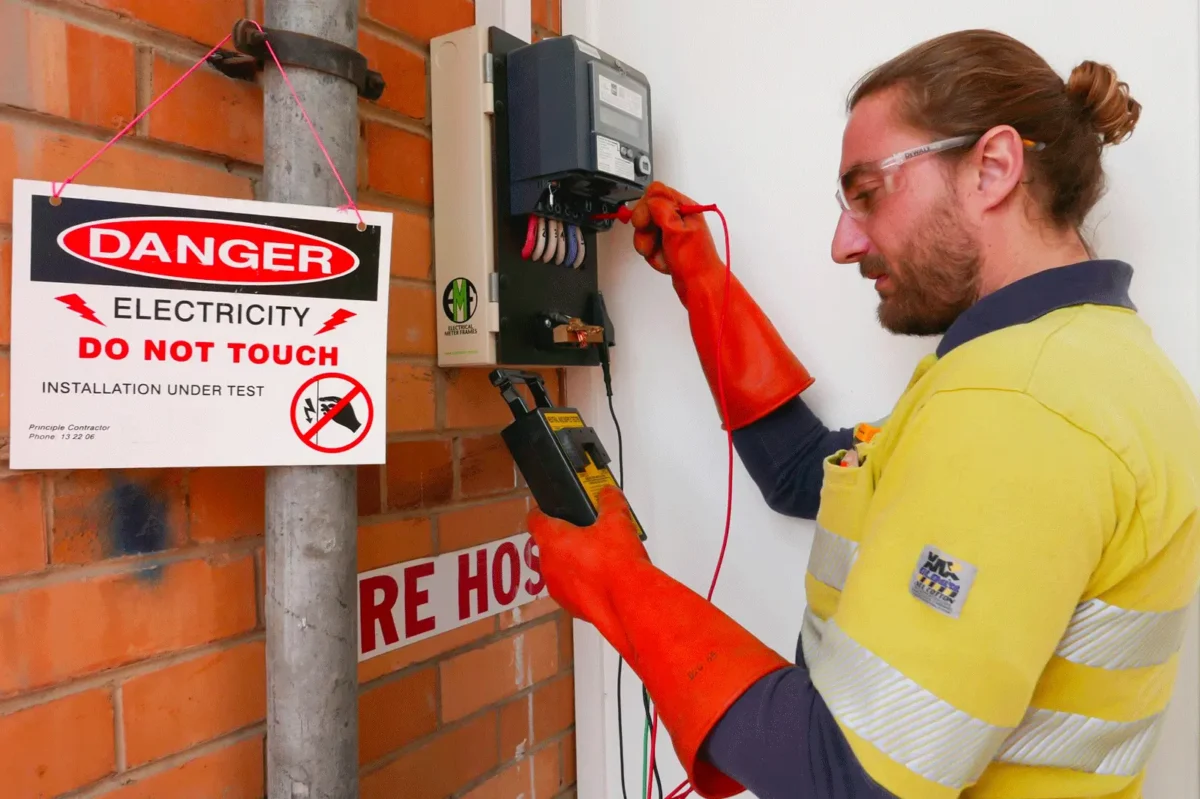
That’s why starting with a professional electrical inspection Melbourne homeowners can rely on is often the most practical first move.
Why Electrical Readiness Comes First
An EV charger draws power continuously for extended periods, often overnight. Unlike short-use appliances, this ongoing demand can expose limitations in older electrical systems.
A proper electrical safety inspection helps confirm whether your existing setup can support charging safely or whether adjustments are needed first. This early step helps homeowners make informed decisions before moving ahead with an EV charger installation service.
Common Electrical Limitations We See in Melbourne Homes
Across Melbourne suburbs, many homes were built long before EV charging was considered. During an electrical home inspection, we find:
- Switchboards with limited spare capacity
- Older wiring not intended for sustained electrical loads
- Safety switches that no longer meet current requirements
- Shared electrical supply in townhouses or apartments
These findings don’t mean EV charging is off the table. They do mean the installation needs to be planned around what the home can realistically support. Understanding these constraints early allows us to plan solutions that suit the property, rather than forcing a standard approach to EV charger installation in Melbourne.
What an Electrical Inspection Covers
A professional electrical inspection looks beyond basic and surface-level checks. When we carry out inspections for EV readiness, we assess:
- The condition and capacity of the switchboard
- Existing circuits and protective devices
- Any compliance considerations relevant to EV charging
- Whether upgrades may be required, subject to site inspection
This process gives homeowners clear information to work with, rather than assumptions or online estimates.
Steps We Recommend Before Installing an EV Charger
For homeowners preparing for EV charging, we usually suggest a simple, practical approach:
Step 1: Arrange an Inspection
Book a licensed electrical inspector to review your home’s electrical system before choosing a charger.
Step 2: Understand the Findings
We walk through what your system can support now and where limitations may exist.
Step 3: Plan Any Required Upgrades
If upgrades are recommended, they are scoped to suit your home and intended charger use.
Step 4: Proceed With Installation
Once readiness is confirmed, installation can move ahead with fewer unknowns.
EV Readiness and Long-Term Value
Preparing your home properly is not only about immediate charging needs. A documented electrical safety inspection Melbourne homeowners organise can also support future resale and insurance discussions.
As EV ownership becomes more common, homes that have been assessed and upgraded where needed are easier for future buyers to evaluate. Electrical readiness is becoming part of how properties are judged, particularly in inner and middle-ring suburbs.
Considering a Pre Purchase Electrical Inspection
If you are buying a home and planning to install an EV charger, a pre purchase electrical inspection can provide useful insight early on. It allows electrical capacity and limitations to be identified before settlement, rather than after you move in.
For many buyers, this helps with planning and avoids unexpected upgrades from becoming urgent projects later. For a better visual, our EV charging stations portfolio can help you evaluate.
Why Licensing and Compliance Matter
Electrical work linked to EV charging should always be carried out by qualified professionals. A licensed electrical inspector understands how EV chargers interact with existing systems and how installations should align with current regulatory requirements.
Licensing and documentation support safety, compliance and long-term reliability.
How We Support EV-Ready Homes
At Braetex, we work closely with homeowners to assess, prepare and install EV charging systems that suit their property and usage needs. If you’re considering an EV charger and want to understand your home’s readiness, you can contact our team to arrange an inspection or discuss next steps.
